


For most of modern business history, people made decisions using a small set of official numbers. Companies reported their earnings a few times a year. Governments released economic reports on a schedule. Everyone waited for those updates and acted on them once they arrived.
The problem is that those numbers are slow. By the time a company reports its quarter, the events that shaped it happened months ago. That gap led people to look for faster signals, which is where alternative data comes in.
Alternative data is information that sits outside the traditional sources like earnings reports and government filings. It is called alternative because it offers a different and often earlier view of what is really going on. Instead of waiting for a company to tell you how it did, alternative data can show you signs of the outcome while it is still forming.
The Main Types Of Alternative Data
Alternative data is not one single thing. It is a broad group of data sources, each with its own strengths. A few of the common types include:
- Transaction and card data captures real purchases made by consumers. It shows what people bought and how much they spent.
- Geolocation data uses anonymized location signals to measure foot traffic to stores and other places.
- Web-scraped data pulls public information from websites, such as prices or product listings.
- App usage data tracks how often people open and use certain apps.
Each of these tells part of a story. Some are more reliable than others, and some are easier to act on. Nonetheless, they all contribute to a business’ understanding of consumer behaviors.
Who Uses Alternative Data And Why
Three main groups lean on alternative data, and each uses it for a different reason.
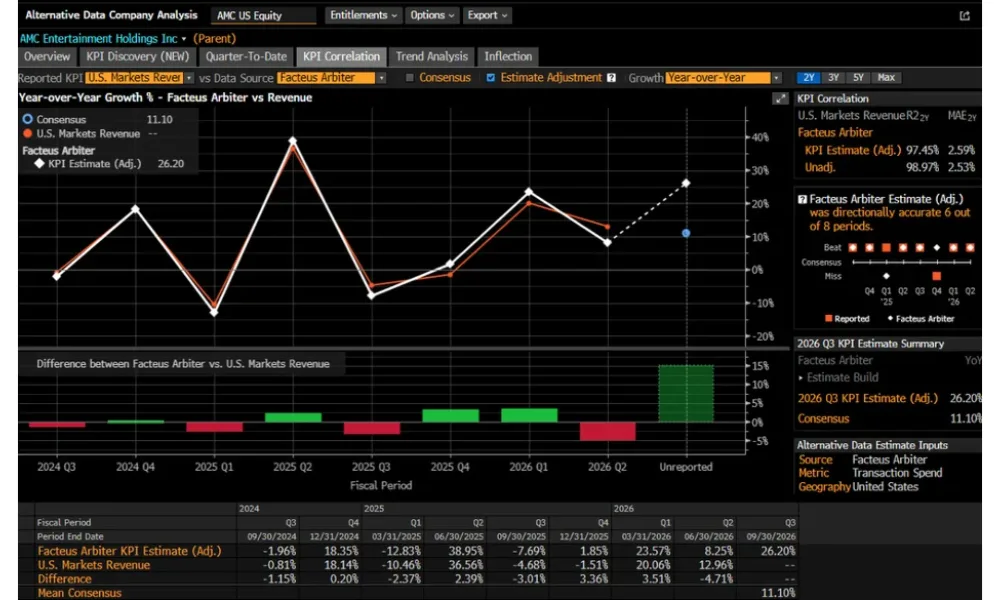
- Investors use it to get an edge. A hedge fund might use card data to forecast a retailer’s revenue before the company reports it. If the data points to a strong quarter, that is valuable information to have early.
- Corporate businesses use it to understand their markets. A brand might combine location data and transaction data to compare how many people visit a store with how much they actually spend there.
- Agencies use it to sharpen their work for clients. A strategy team might blend several alternative datasets to size up a new market before recommending a move.
A common theme is speed and reality. Alternative data can help these groups identify changes sooner, although the usefulness of any signal depends on its coverage, methodology, and how it is used. The field has grown quickly, and major financial news outlets like Reuters now regularly report on how firms use these sources to track the economy.
It is worth mentioning that these groups often combine several types of alternative data rather than relying on just one. A single source can point in the wrong direction on its own. When you layer transaction data next to location data or web data, the picture gets sharper and the odd signal stands out. This is one reason the market for alternative data has kept expanding. Teams are learning that the real value comes from putting sources together, not from chasing any single dataset.
Why Transaction Data Stands Out
Among all the types of alternative data, transaction data holds a special place. There are a few reasons for that. First, it is observed. It records real purchases rather than guessing at behavior. Second, it is granular, which means you can look at it in fine detail, down to specific brands, products, and places. Third, when it is sourced well, it can be representative, meaning it reflects the broader population rather than a narrow slice.
Those qualities make it particularly useful for questions about observed consumer spending. It is the difference between knowing that a lot of people visited a store and knowing what they actually bought once they were inside. To see a specific example of an alternative data solution, check out our Alternative Data for Investors page.
How To Start Using Alternative Data
If you are new to alternative data, the smart move is to start with a clear question. Do not buy data for its own sake. Decide what you are trying to learn first. Are you trying to forecast a company’s sales? Understand a competitor? Spot a new trend? See a category shift? The question shapes which data source fits.
From there, focus on the data source’s methodology. Once you’re comfortable with how the data is being collected, the number of sources being used, and how it is validated to prove its accuracy, you can start tackling the questions you’ve prioritized.
Risks And Limitations
Alternative data is powerful, but it comes with things to watch. Quality varies a lot from one provider to the next. Some datasets look impressive on the surface but do not represent the real world well, which can lead to bad conclusions.
There are also questions of compliance and privacy. Responsible providers de-identify their data and aggregate it so that no single person can be tracked. When you evaluate a source, it is fair to ask how they handle these issues, and a good provider will explain its safeguards without hesitation. If a vendor cannot answer plainly, that itself tells you something worth knowing before you buy.
Taken together, alternative data has changed how businesses and investors see the world. It fills the gap between official reports and gives an earlier, fuller view. Transaction data, in particular, has earned its spot as a useful signal in the group. The key, as always, is choosing a source you can evaluate with greater confidence.