

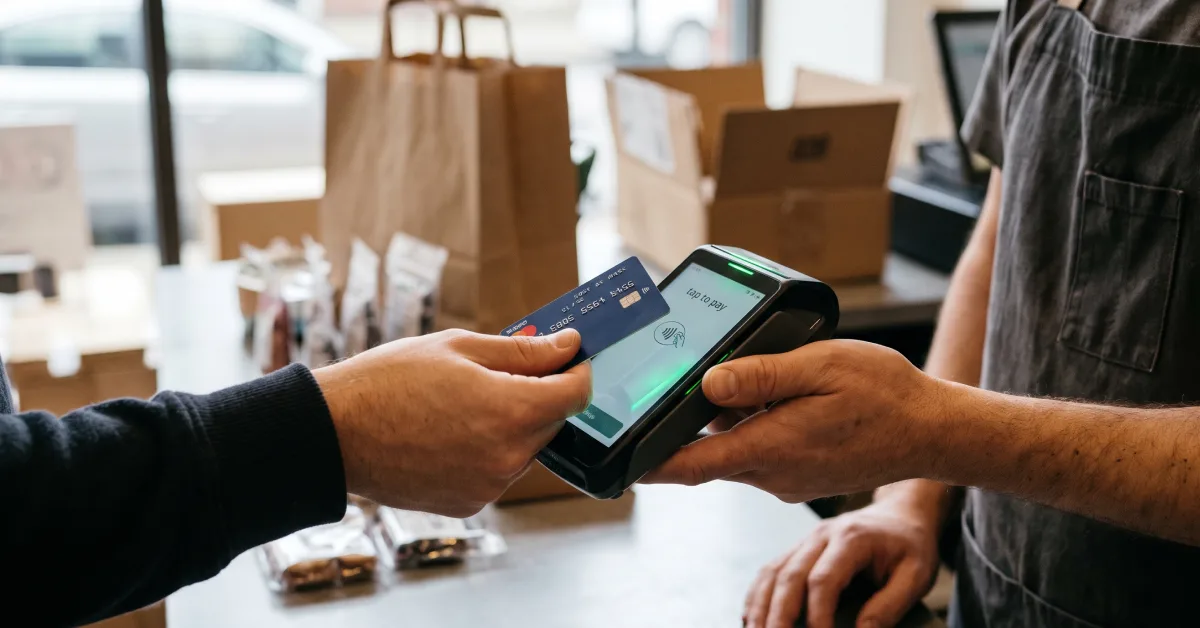
Every day, people buy things. They grab coffee on the way to work, fill up the tank, order lunch, and shop online at night. Each of those purchases leaves a small record behind. When you gather millions of those records together, you get something powerful. You get a clear picture of how people actually spend their money.
That is the basic idea behind consumer spending data. You may also hear the term consumer transaction data, particularly when the data comes from payment transactions. The terms are sometimes used interchangeably, although the exact definition depends on the type of data being discussed. In the context of transaction data, the information comes from real purchases made through credit and debit cards and other financial channels.
Consumer spending data matters because it measures observed behavior. A survey might tell you that shoppers expect to cut back on dining, for example. Spending data can show whether dining purchases actually declined. The two sources might answer different questions, but looking at actual purchasing behavior gives businesses another way to understand what is happening in the market.
What A Transaction Record Actually Contains
A single transaction record is fairly simple. It captures basic information about a purchase. There is the merchant, which is the store or brand where the money was spent. There is the transaction amount, along with the date and time. Depending on the dataset, there may also be information about the merchant category, location, channel, or other attributes that help describe the purchase.
One transaction does not tell you very much on its own. The value comes from analyzing large numbers of transactions together. You can group purchases by brand, category, geography, or time period. You can look at spending in one city or across the country, compare one category with another, or track how spending changes from month to month.
It is also important to understand that properly handled transaction data is de-identified. The goal is to understand patterns across groups of consumers, not to identify or track individual people. The analytical value comes from the aggregate behavior represented in the data.
What Businesses Can Learn From Spending Data
Once you can see real purchases at scale, a range of business questions become easier to answer. A retailer can track its sales trend and compare it with the broader category. A brand can monitor changes in competitor spending without having access to a competitor’s internal sales records. An investment team can look for changes in consumer activity that may provide an early indication of how a company is performing. Some specific examples may include:
- A retailer notices that spending in its category has started to soften in transaction data before the quarter has closed. That gives the team an opportunity to investigate the change while there is still time to respond.
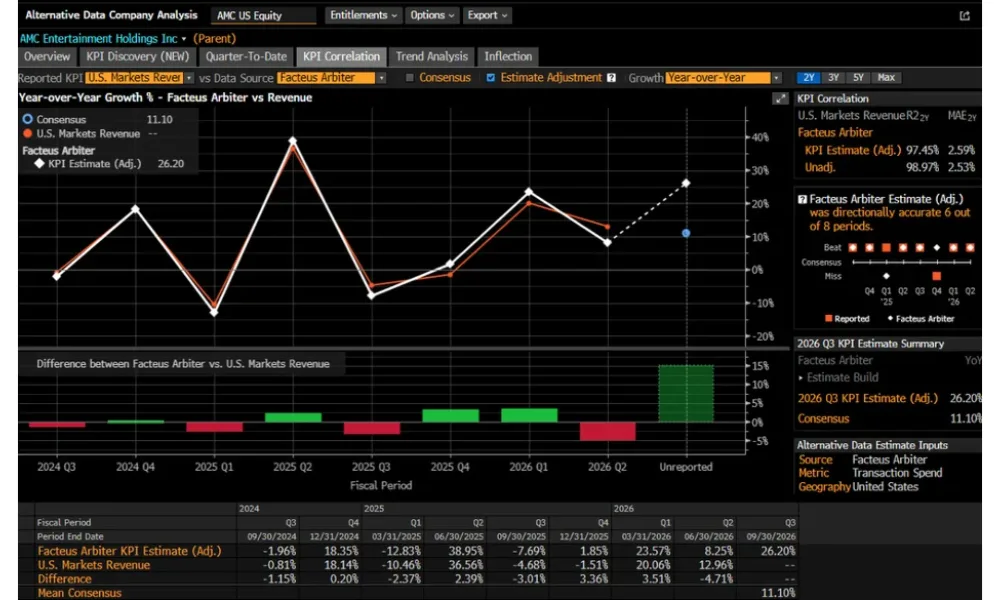
- An investor sees spending at a brand begin to weaken before the company’s next earnings report. That information does not explain why the change occurred, but it can provide an additional signal to consider alongside other sources.
- A brand tracks spending at a competitor during a major promotion. Rather than relying solely on assumptions about whether the promotion worked, the brand can examine changes in observed purchasing behavior.
You can explore this type of view through Facteus brand-by-brand data examples, which show how spending trends can be analyzed for individual companies. The value is not simply knowing the total amount spent. It is being able to see changes in purchasing behavior and put those changes into context.
How It Differs From Surveys And Panels
For many years, businesses have relied on surveys and consumer panels to understand shoppers. Those methods still have an important role in market research, but they work differently from analyzing transactional data.
Surveys ask people what they did, what they think, or what they plan to do. That information can be useful, particularly when the question involves attitudes, motivations, or future intentions. At the same time, survey responses can be affected by memory, interpretation, and the way questions are asked. Consumer panels have a different set of considerations. They follow a recruited group of participants over time and can provide detailed information about those participants, but the composition and behavior of the panel need to be considered when interpreting the results.
Transaction data takes a different approach. Rather than asking consumers to report what they purchased, it analyzes records of purchases that actually occurred. For questions about observed spending, that distinction can be important because the data is based on transactions rather than recall or stated intentions. Transaction data also allows researchers to analyze very large numbers of purchases. That scale can make it possible to examine spending by geography, category, brand, or other segments that may be difficult to study with a smaller sample.
What It Does Not Tell You
No data source answers every question. Consumer spending data is particularly useful for understanding what people bought, where they bought it, and how much they spent. It is much less useful for explaining the personal reasons behind a purchase.
For example, transaction data may show that spending at a restaurant declined. It cannot, by itself, tell you whether customers were unhappy with the food, concerned about prices, or trying to save money. Those questions require additional sources, such as surveys, interviews, or other forms of qualitative research.
Coverage and methodology also matter. A spending dataset can only provide a reliable view of the market if its underlying sources, population coverage, scaling, and validation support the analysis being performed. A large dataset is not automatically a representative one.
Not all spending data is equal. The quality depends heavily on where the data comes from and how well it mirrors the real world. Data sourced directly from banks and financial institutions tends to be more stable and representative than data pieced together from other methods because the transactions originate close to the point of purchase. Sourcing alone also does not guarantee representativeness or accuracy. Those qualities depend on the breadth of the sources, how the data is scaled and adjusted, and how the resulting dataset is validated against reliable benchmarks. You can read more about how this works on the Facteus about our data page.
If you’re evaluating services for consumer spending data, ask where the transactions come from, how the data is collected and processed, how current it is, what population it represents, and how the provider validates its results. Those questions can tell you much more about the usefulness of a dataset than its raw record count. Also make sure it is representative of your industry, whether you work in retail, restaurant, gas & convenience, or other major industries.
Consumer spending data has become an important way for businesses to understand how purchasing behavior is changing. Used alongside other sources, it can help companies see changes in consumer behavior, evaluate competitive activity, and make decisions based on observed spending rather than assumptions alone. The quality of the underlying data is what makes that analysis useful.